


Arusha · Tarangire · Serengeti · Ngorongoro · Zanzibar
10 Days
Safari
Tanzania
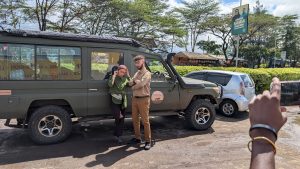
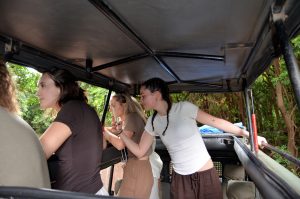
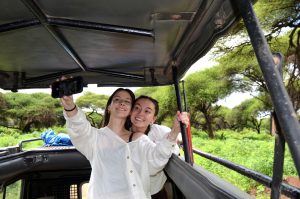
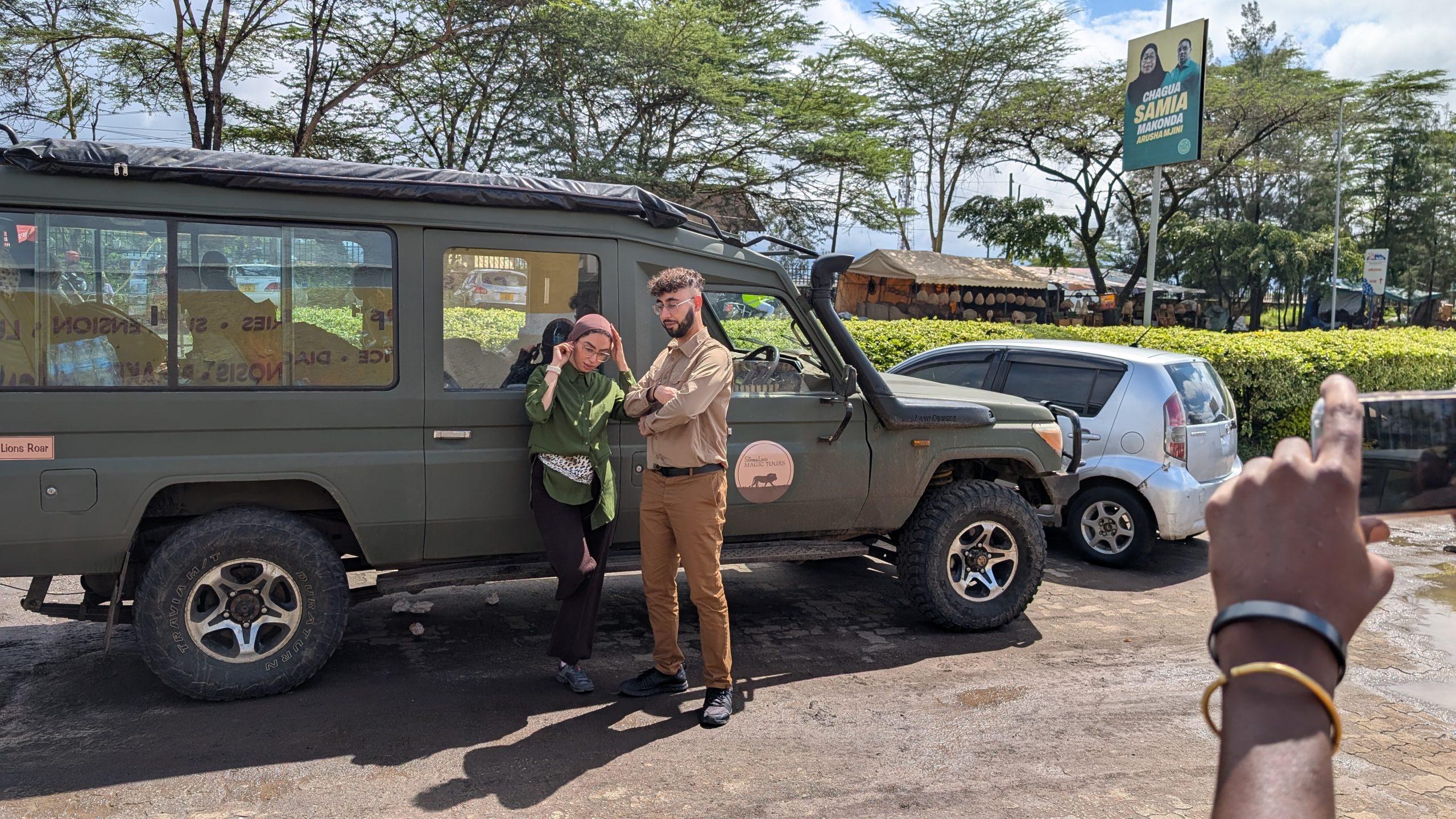
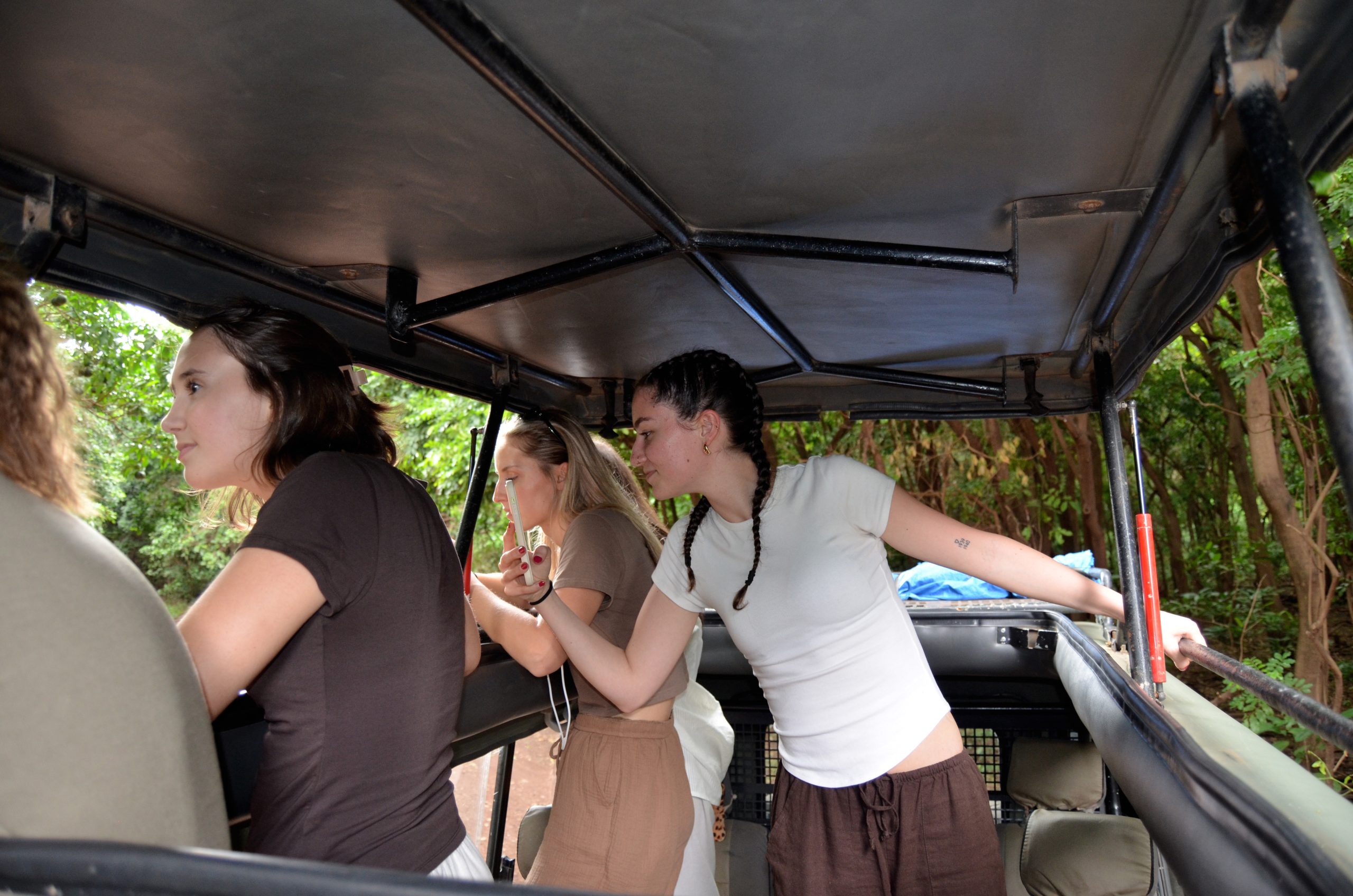
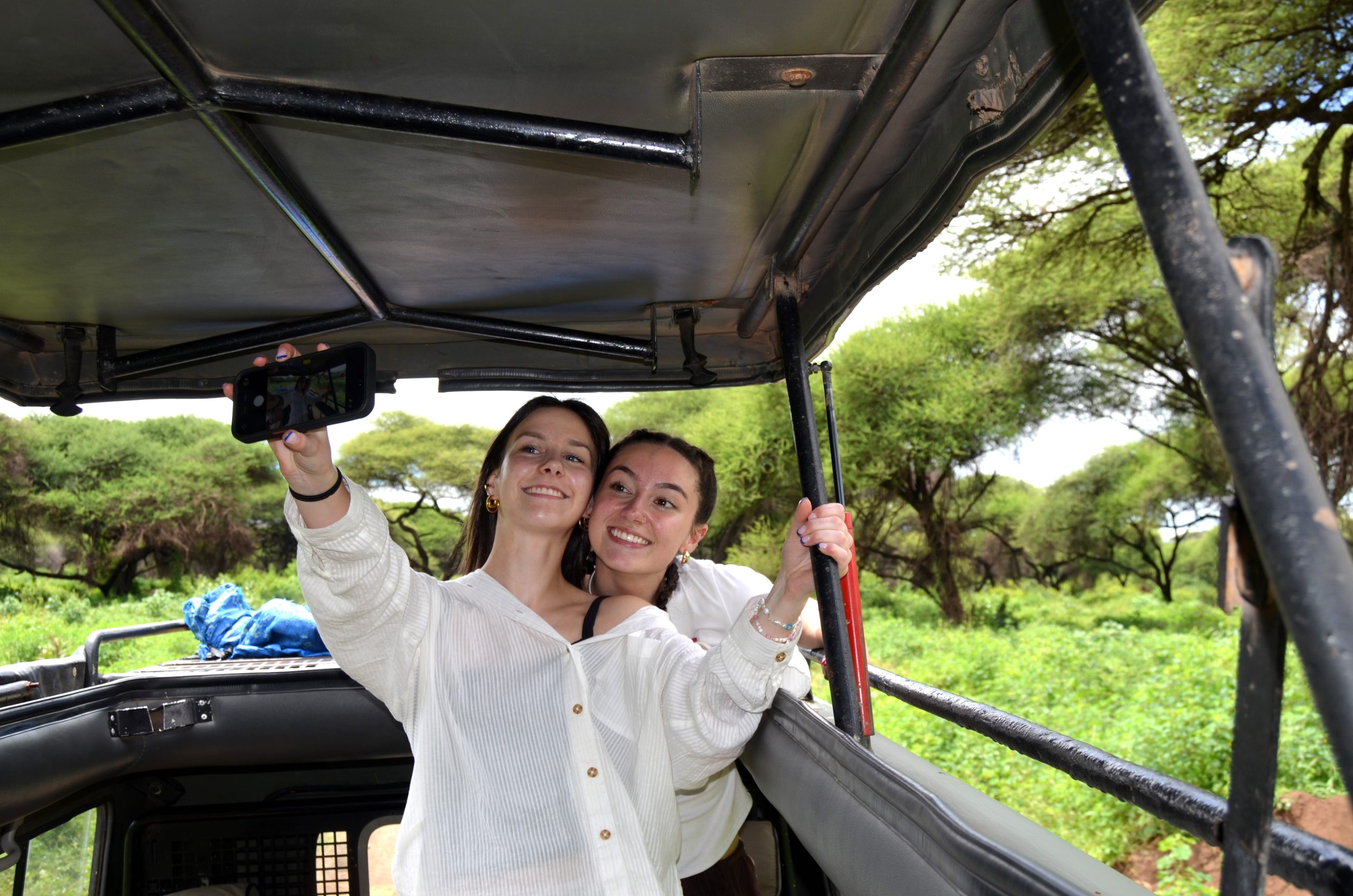
Private 4×4 Safari Vehicle
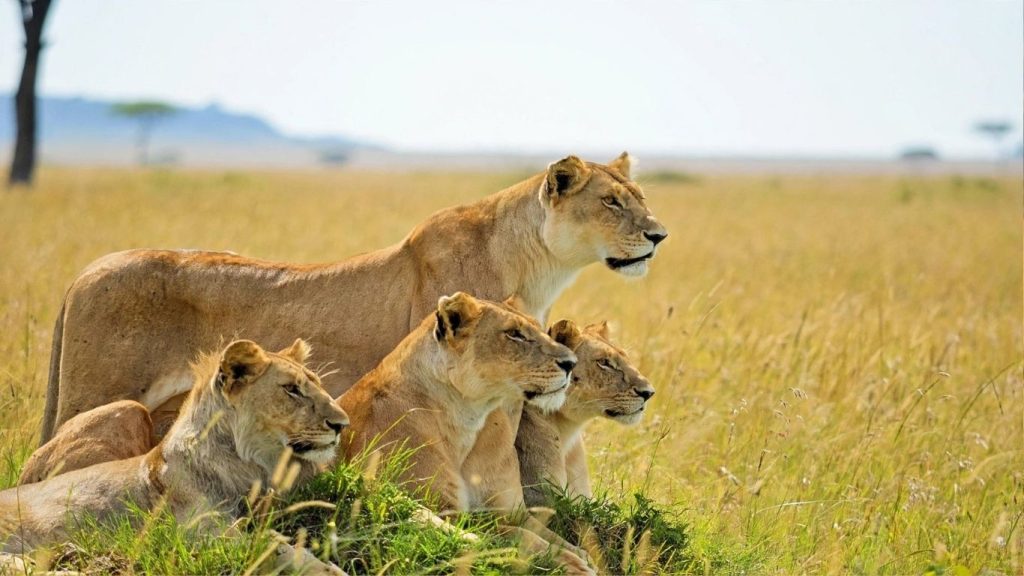
Explore Tanzania’s extraordinary wildlife, beautiful landscapes, cultural heritage, and marine environments on this ten-day educational adventure. The programme combines a classic northern Tanzania wildlife safari with an educational experience in Zanzibar, making it ideal for student groups, marine biology students, international studies programmes, and cultural heritage learners. During the safari, participants explore Tarangire National Park, the Ngorongoro Conservation Area, and Serengeti National Park, learning about wildlife conservation, biodiversity, geological formations, and ecosystem interactions. The journey continues to Mto wa Mbu before transferring to Arusha for a flight to Zanzibar, where students discover Stone Town’s historic heritage, Jozani Forest’s biodiversity, and the ecological importance of coastal and marine environments. Through guided excursions, practical learning activities, and cultural interactions, this programme promotes environmental awareness, cultural understanding, and responsible tourism.
Arrive in Arusha, meet your professional safari guide, and transfer to your accommodation. After settling in, attend a student orientation covering the itinerary, safety guidelines, wildlife observation ethics, and educational objectives. The session introduces participants to Tanzania’s natural and cultural diversity and prepares the group for the upcoming safari adventure.
Accommodation: Masai Camp
Meals: Breakfast
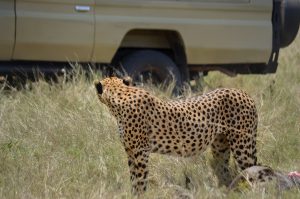
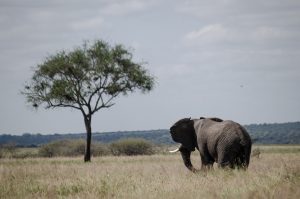
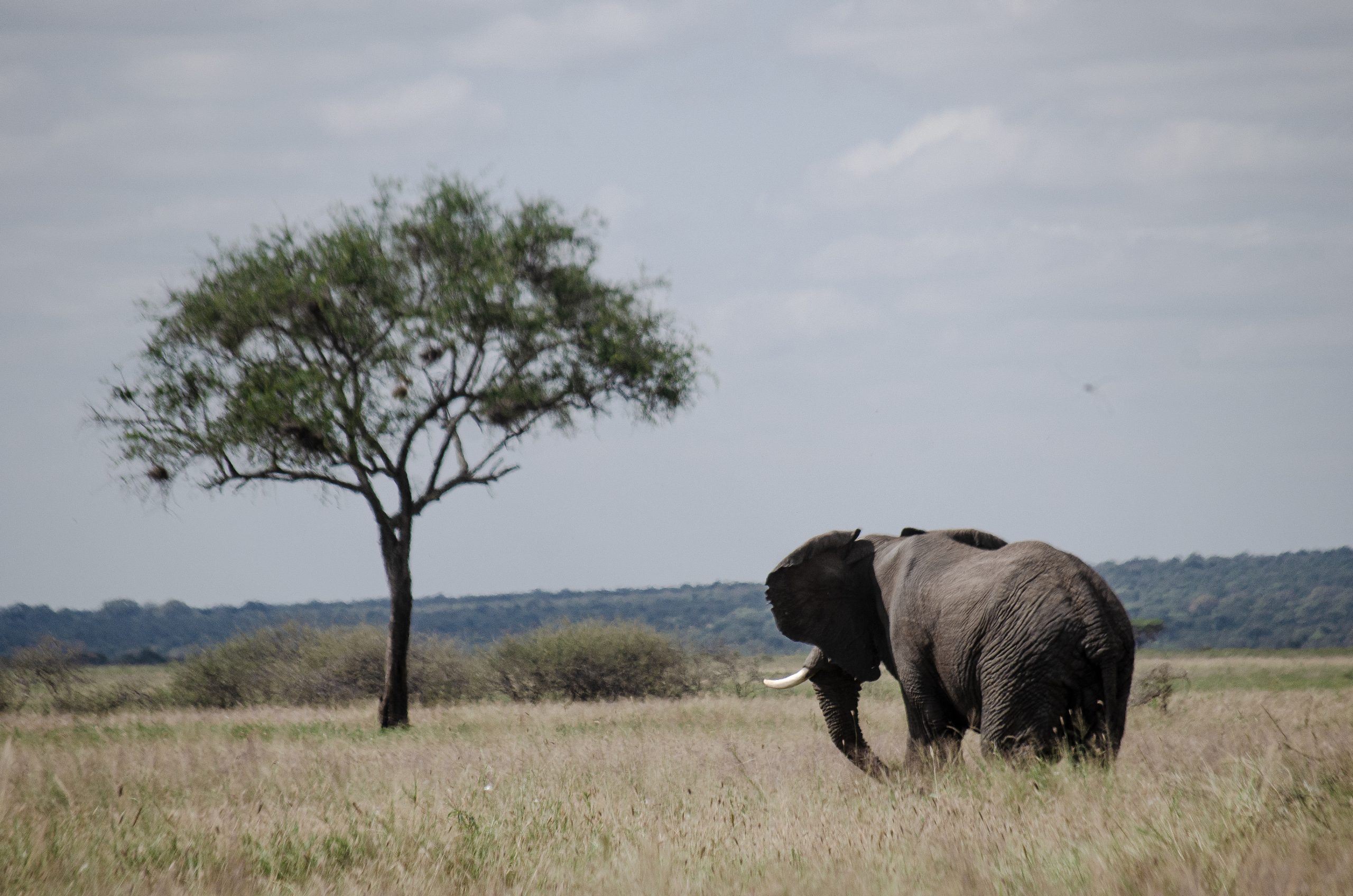
After breakfast, depart for Tarangire National Park for a game drive through landscapes famous for their large elephant populations, iconic baobab trees, and diverse wildlife. Students learn about animal behaviour, habitat conservation, food chains, and the ecological importance of seasonal rivers and grasslands. Guided wildlife observations provide opportunities to understand the relationships between animals, vegetation, and water availability.
Accommodation: Tarangire Public Campsite
Meals: Breakfast, lunch, and dinner
After breakfast, travel towards the Ngorongoro Conservation Area, enjoying scenic views of the Great Rift Valley and the surrounding highlands Along the way, students explore volcanic landscapes, geological formations, vegetation zones, and the relationship between local communities and protected areas. Upon arrival, settle into the accommodation and prepare for the following day’s crater excursion.
Accommodation: Simba Campsite
Meals: Breakfast, lunch, and dinner
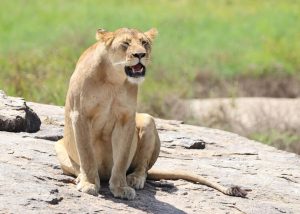
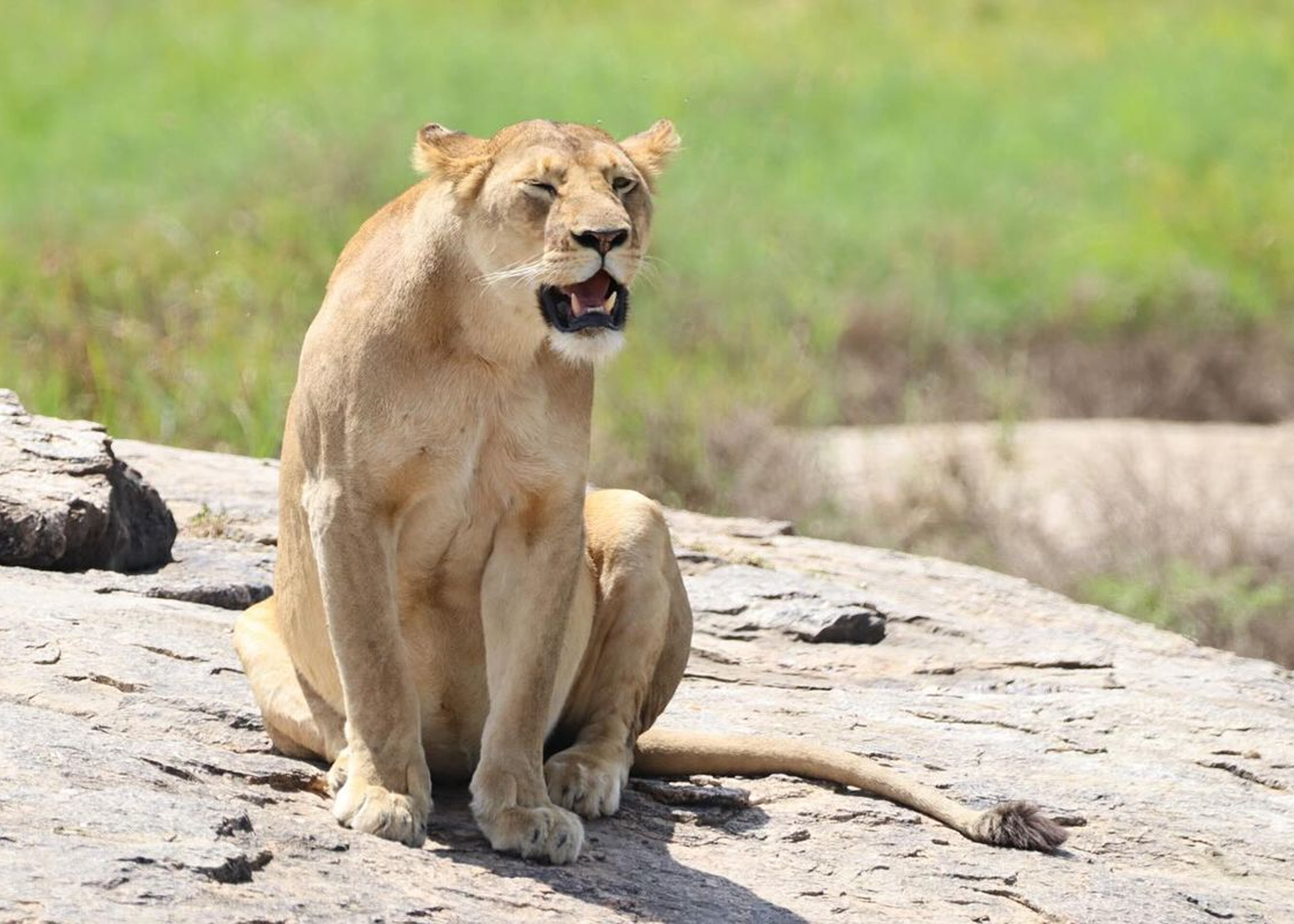
After an early breakfast, descend into the spectacular Ngorongoro Crater for a guided game drive. This remarkable natural environment supports a wide variety of wildlife, offering excellent opportunities for observation and educational discussion. Students learn about biodiversity, predator-prey relationships, ecosystem balance, and conservation management. The experience also highlights the importance of protecting wildlife habitats while considering the needs and livelihoods of local communities. After the game drive, return to the campsite.
Accommodation: Simba Campsite
Meals: Breakfast, lunch, and dinner
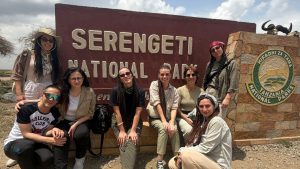
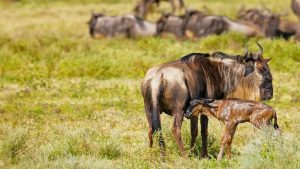
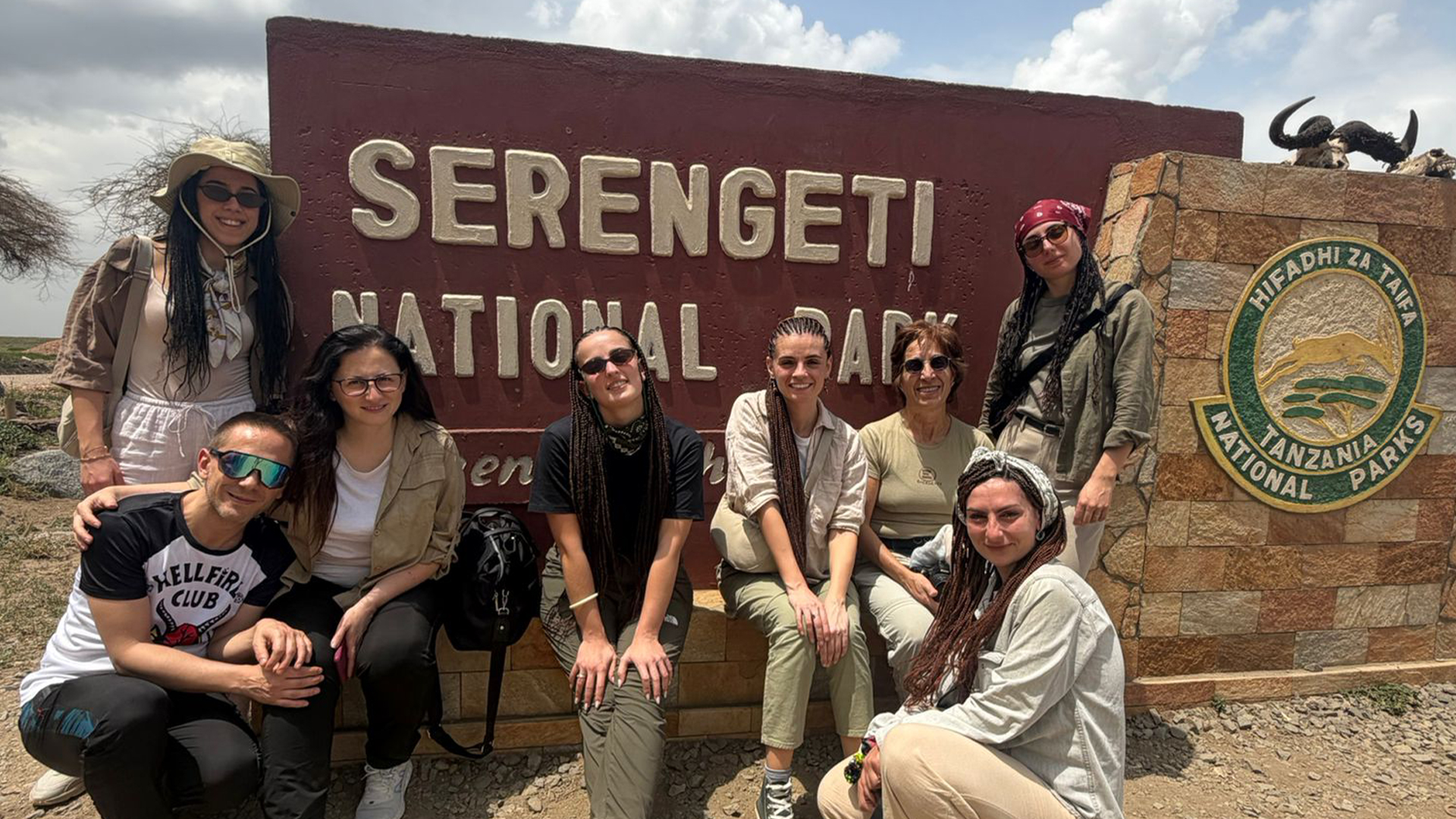
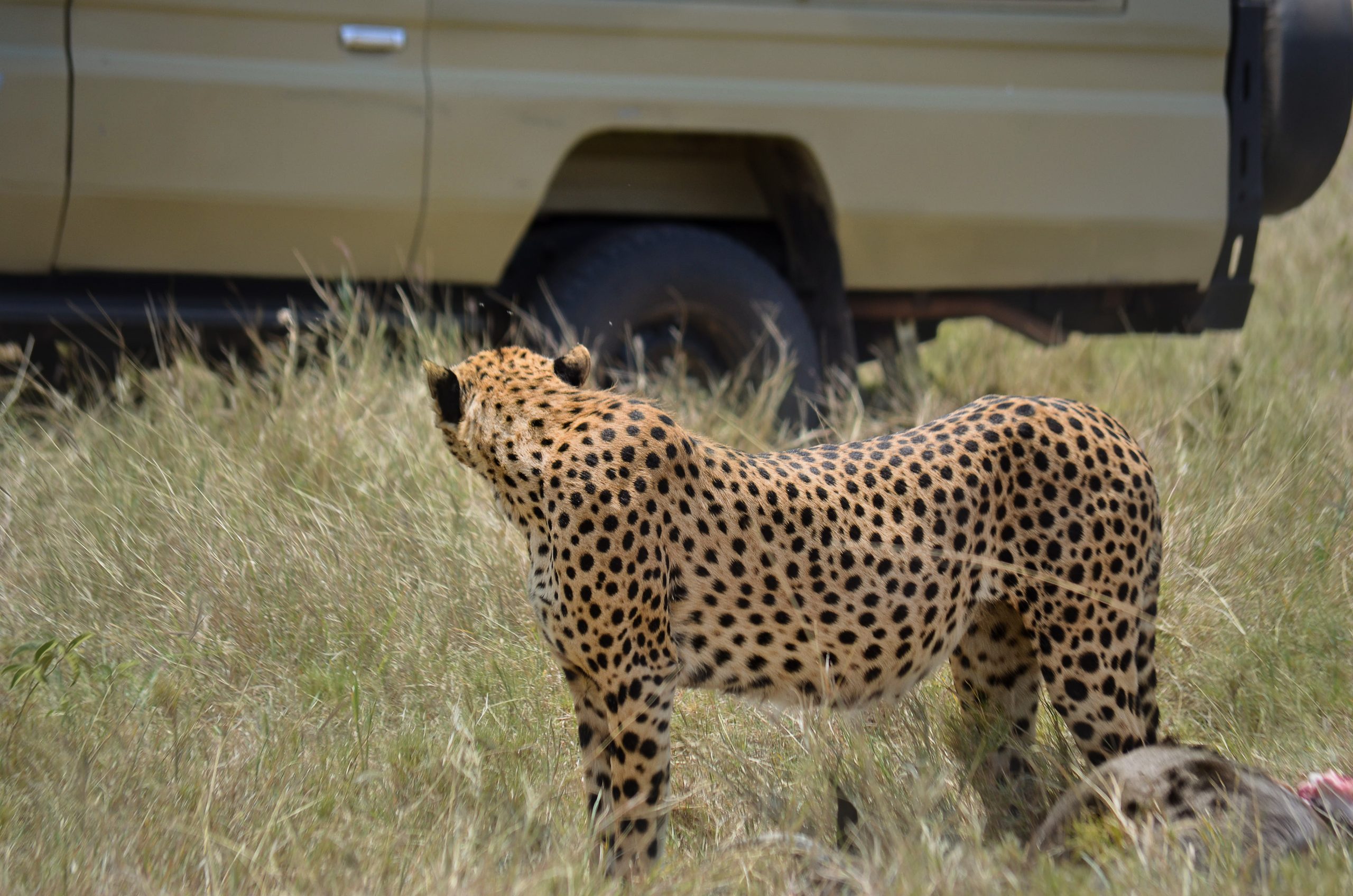
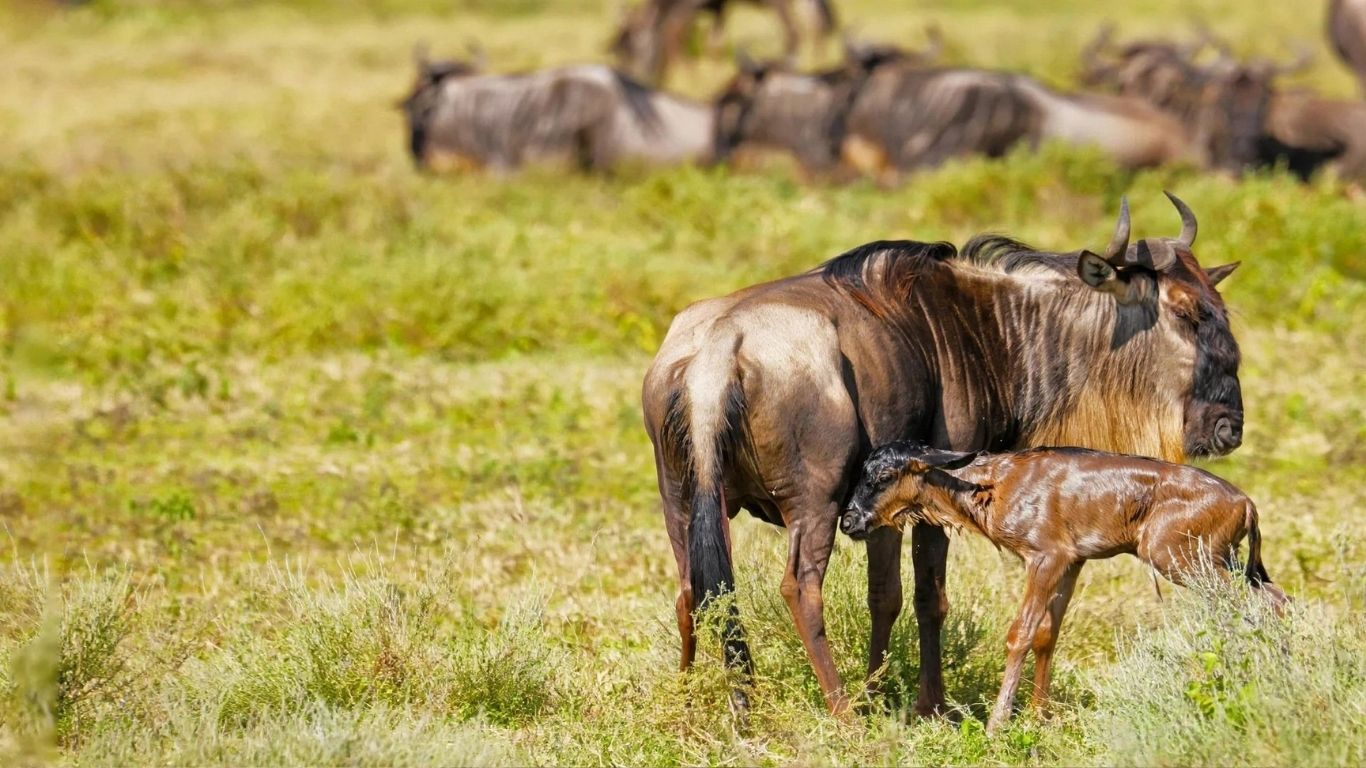
After breakfast, depart for Serengeti National Park, travelling through the beautiful landscapes of the Ngorongoro Conservation Area. Enjoy wildlife viewing along the way where conditions and timing permit. Upon entering Serengeti, continue with a game drive across the famous savannah plains. Students discover the ecology of grassland ecosystems, the roles of herbivores and predators, and the seasonal movements of wildlife. The day provides opportunities to observe animals in their natural habitats and discuss the importance of protecting connected ecosystems.
Accommodation: Serengeti Public Campsite
Meals: Breakfast, lunch, and dinner
Begin the day with an early morning game drive in Serengeti National Park, providing further opportunities to observe wildlife and study animal behaviour, biodiversity, and ecosystem interactions. After the game drive, depart Serengeti and travel towards Mto wa Mbu, enjoying the changing landscapes along the way. The journey provides an opportunity to appreciate Tanzania’s diverse environments, from the open savannah plains to the agricultural and cultural landscapes surrounding Mto wa Mbu. Arrive in the evening, check in at the accommodation, and relax after the journey. Depending on arrival time, students may have an opportunity to learn about the local community and the area’s cultural diversity.
Accommodation: Budget accommodation in Mto wa Mbu
Meals: Breakfast, lunch, and dinner
After breakfast, depart Mto wa Mbu and drive to Arusha for your scheduled domestic flight to Zanzibar. Upon arrival in Zanzibar, transfer to the accommodation in Stone Town. Depending on the flight arrival time, enjoy a short guided introduction to the historic town, exploring its narrow streets, Swahili architecture, and rich maritime heritage. Students learn about Zanzibar’s historical connections with Africa, Arabia, and Asia and how cultural exchange has shaped the island’s identity.
Accommodation: Jambiani Backpackers Hotel
Meals: Breakfast, lunch, and dinner
After breakfast, visit Jozani Chwaka Bay National Park for a guided educational experience focused on forest ecology and biodiversity. Students learn about the Zanzibar red colobus monkey, native plant species, habitat protection, and the importance of conserving fragile forest ecosystems. The visit also explores the relationship between biodiversity, local communities, and sustainable tourism. This experience encourages students to understand the importance of protecting endemic species and preserving natural habitats for future generations.
Accommodation: Jambiani Backpackers Hotel
Meals: Breakfast, lunch, and dinner
Participate in a marine ecology or mangrove learning experience organised with a suitable local conservation organisation or educational partner. Depending on availability, weather conditions, and local permissions, students explore coastal habitats, coral reef ecosystems, mangrove forests, and the effects of human activities on marine environments. Educational discussions focus on marine biodiversity, coastal ecosystem protection, pollution prevention, climate change, and responsible tourism. This practical experience helps participants understand the importance of conserving Zanzibar’s marine resources and supporting sustainable coastal livelihoods.
Accommodation: Jambiani Backpackers Hotel
Meals: Breakfast, lunch, and dinner
After breakfast, prepare for departure. Depending on the flight schedule, enjoy some free time or participate in a short group reflection on the programme’s key learning outcomes. Students review their experiences in wildlife conservation, ecosystem management, cultural heritage, and marine ecology before transferring to Zanzibar’s airport for their onward journey.
Accommodation: None (departure day)
Meals: Breakfast
$ 1300